
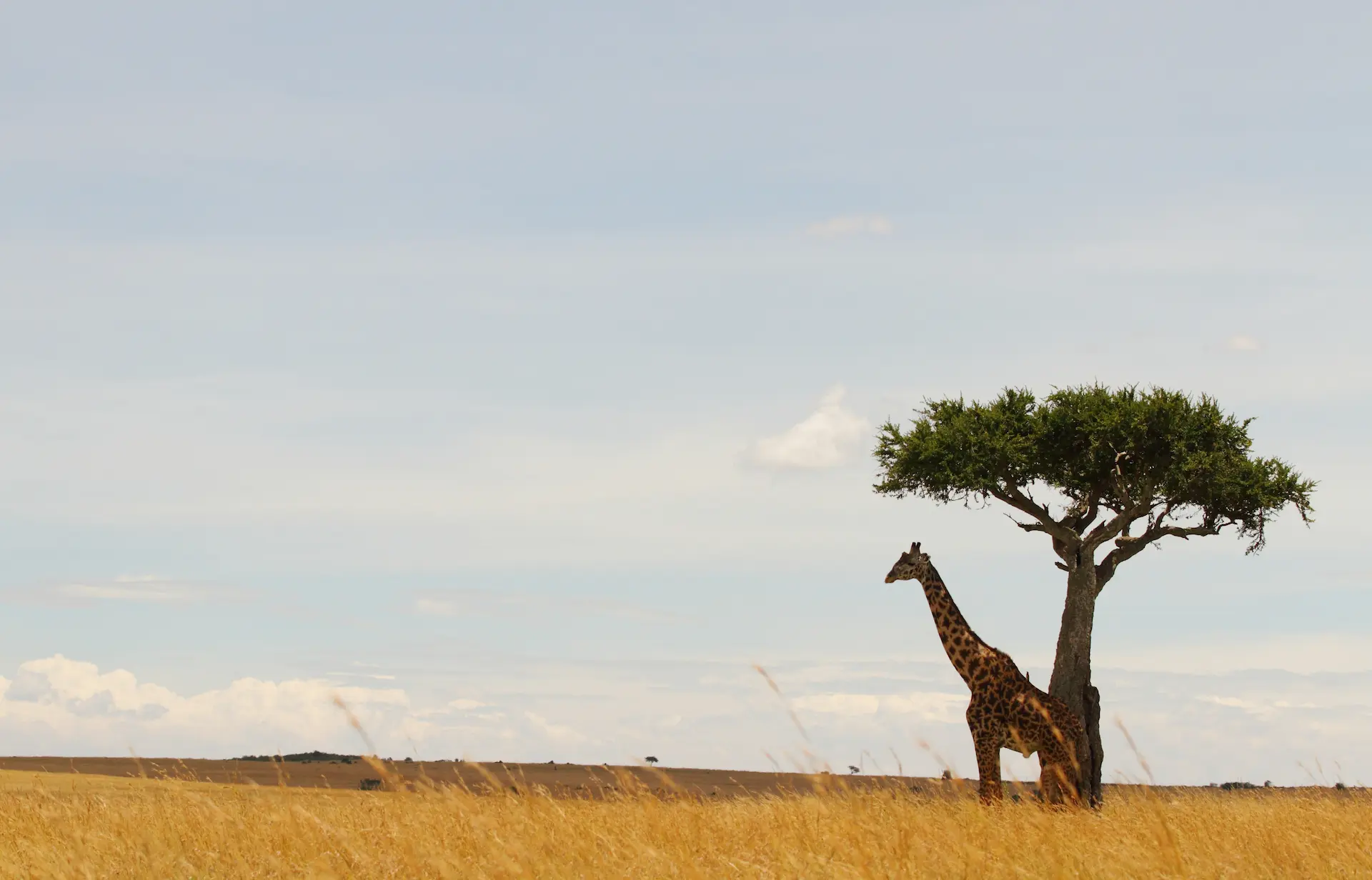
Giraffes are often seen as a symbol of Africa’s wide, open landscapes, but their population tells a more complex story. Once spread across much of the continent in large numbers, giraffes have quietly declined over the last century. Today, their presence is still strong in some regions, but in others, they survive only in small, scattered groups.
The latest global estimate puts the giraffe population at under 117,000 individuals in the wild. While that may sound like plenty, it marks a loss of nearly 40 percent in just a few decades. Some species remain relatively stable, while others are on the verge of disappearing altogether.
Save Giraffes Now is working across ten African countries to reverse these losses by rescuing giraffes in danger, reintroducing them into protected areas, and creating partnerships with local communities to keep habitats safe. These efforts are helping stabilize populations and give giraffes a chance to recover.
Key Takeaways
- Fewer than 117,000 giraffes remain in the wild today, a 40% decline in just three decades.
- Giraffe populations once numbered in the hundreds of thousands, but habitat loss, poaching, and conflict have driven steep declines.
- The Southern giraffe makes up the largest share of the population, while the Nubian and Kordofan giraffes are critically endangered.
- Tanzania, Kenya, South Africa, and Botswana hold the strongest populations, while West and Central Africa have only small, fragile groups left.
- Conservation programs led by Save Giraffes Now are rescuing, reintroducing, and protecting giraffes, proving that recovery is possible. Donate now to help make these efforts a success.
A Look at Giraffe Populations Over Time
Early 1900s
- Estimated in the hundreds of thousands.
- Giraffes were widespread across Africa, with large herds roaming open savannas.
1980s
- Around 150,000 giraffes in the wild
- Noticeable decline as farmland, settlements, and poaching began reducing populations.
Today (2025)
- Fewer than 117,000 giraffes remain
- Represents a 40% decline in just three decades
- Some subspecies (Kordofan and Nubian) have lost 90–98% of their numbers
Trend Summary
- The overall giraffe population has dropped steadily for more than a century
- Some species are relatively stable, but others are on the edge of extinction
- Conservation efforts are now focused on reversing these losses before it is too late
Giraffe Population Today
As of 2025, the global giraffe population is estimated at fewer than 117,000 individuals in the wild. Numbers vary widely depending on species and region:
By Species
|
Key Insights
- Half of the global giraffe population comes from the Southern giraffe alone.
- The Northern giraffe and its subspecies are at the highest risk of extinction.
- Population stability is uneven, highlighting the need for targeted conservation efforts.
Regional Populations Across Africa
Giraffes are spread unevenly across the continent. Some countries still support strong populations, while others now have only a few hundred individuals left.
East Africa
- Kenya and Tanzania hold most of the Masai and Reticulated giraffes.
- Together, these two countries account for more than half of the global giraffe population.
- Populations are falling due to poaching, land conversion, and human-wildlife conflict.
West Africa
- The West African giraffe survives mainly in Niger, with just a few hundred individuals.
- Once widespread across the region, it is now one of the rarest subspecies.
Southern Africa
- Botswana, Namibia, and South Africa support large numbers of Southern giraffes.
- This group makes up the most stable population overall, although local declines are still being recorded.
Central Africa
- The Kordofan giraffe is found in Chad, Cameroon, and the Central African Republic.
- Populations here have dropped by about 90 percent since the 1980s, making it one of the most threatened subspecies.
Why Is the Giraffe Population Declining?
The drop in giraffe numbers is tied to several pressures that often overlap. One of the most serious is habitat loss. As farmland expands and cities grow, giraffes lose the open savannas and woodlands they need to survive. Roads and fences cut across their ranges, making it harder for them to move freely and find enough food.
Poaching has also played a major role in the decline. In some areas, giraffes are hunted for their meat, hides, and tails. Even where hunting is illegal, weak enforcement allows poachers to operate with little risk. Entire herds have been lost in places where protection is limited.
Conflict adds another layer of danger. In regions affected by instability, conservation efforts often collapse, leaving giraffes exposed. Snares set for other animals frequently trap giraffes, and competition for land forces them into smaller, less secure spaces.
Climate change is making these problems worse. Droughts and unpredictable rainfall reduce the plants that giraffes rely on, which increases competition with livestock and brings them into closer conflict with people. Combined, these challenges explain why giraffe populations continue to fall in many parts of Africa.
Giraffe Population Recovery Efforts
Despite the decline, there is real hope for giraffes. Conservation projects across Africa are proving that populations can grow again when they are given protection. In some areas like Rwanda, Malawi, and Uganda, giraffes have been reintroduced to habitats where they had disappeared completely. These translocations help restore balance and expand the range of the species.
Rescue operations are also making a difference. Rangers and conservation teams remove snares, treat injuries, and save orphaned calves that would not survive without care. Each life saved strengthens the future of the species.
Save Giraffes Now is playing a leading role in this work. Across ten African countries, the organization supports rangers, partners with communities, and provides resources like clean water to reduce human-wildlife conflict. These programs have already helped stabilize local populations and shown that with enough support, giraffes can recover.
The Future of Giraffe Populations
The outlook for giraffes depends on the choices made today. If current threats continue unchecked, populations are likely to keep shrinking, and some subspecies could disappear completely within our lifetime. The Nubian and Kordofan giraffes, for example, already number only in the low thousands, leaving them extremely vulnerable to poaching, disease, or further habitat loss.
The future of giraffe populations is not yet written. With enough awareness, funding, and global support, the silent extinction of giraffes can be stopped, and their numbers can begin to rise once more.
A Global Effort to Protect Giraffes
Giraffe populations have fallen sharply over the past century, but their future is still within our control. With fewer than 117,000 left in the wild, urgent action is needed to protect the species and prevent further decline. Every individual matters, and every herd that survives keeps the savannas and woodlands of Africa in balance.
Save Giraffes Now is working across ten African countries to secure that future. By rescuing giraffes in danger, reintroducing them into safe habitats, and supporting the communities that share land with them, the organization is proving that recovery is possible. These efforts are helping to stabilize populations and create a pathway toward growth.
This work depends on support from people who care. Donations fund rangers, rescue missions, and projects that give giraffes the protection they need to survive. With your help, giraffe populations can recover and remain a part of our world for generations to come.
Donate now to join a global effort that gives giraffes a fighting chance.
Frequently Asked Questions
How many giraffes are left in the world?
As of 2025, there are fewer than 117,000 giraffes left in the wild. This marks a decline of nearly 40 percent over the past three decades.
What country has the largest population of giraffes?
Tanzania currently has the largest giraffe population, with more than 30,000 individuals. Kenya and Botswana also hold significant numbers, making East and Southern Africa the main strongholds for giraffes today.
How many giraffes were there in 1800?
Exact records from the 1800s do not exist, but scientists believe giraffe populations numbered in the several hundreds of thousands. Giraffes were once widespread across much of Africa before hunting, habitat loss, and human expansion began reducing their numbers.