
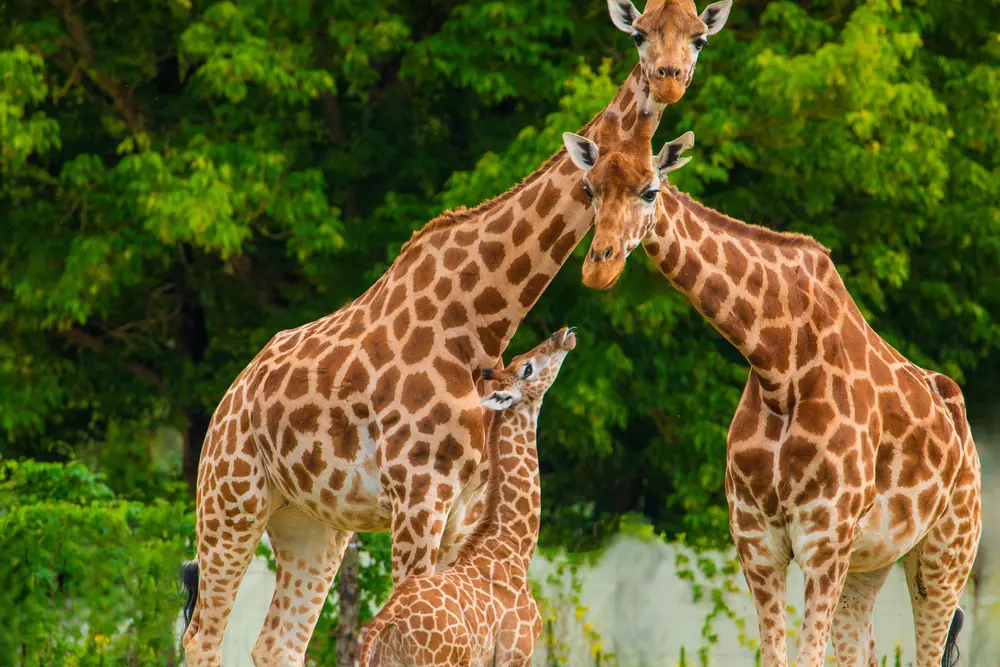
Giraffes protect themselves using a mix of height, sharp vision, speed, and powerful kicks that can seriously injure or even kill predators. These defenses help them spot danger early, escape when needed, and fight back if a threat gets too close.
Let’s discuss how these defenses work in the wild, which predators giraffes face, and why natural protection is no longer enough in today’s changing environment.
Key Takeaways
- Giraffes protect themselves using height, strong vision, speed, and powerful kicks
- A single kick can seriously injure or kill predators like lions
- Adult giraffes face fewer threats, but calves are highly vulnerable
- Calves rely on camouflage, hiding, and maternal protection to survive
- Natural defenses work against predators, but not against human-driven threats
- Habitat loss and poaching are now the biggest risks to giraffe populations
- Conservation efforts are essential to protect giraffes in the modern world
What Natural Defenses Do Giraffes Have?
Giraffes rely on a combination of physical traits and instinctive behavior to stay safe in the wild. Here’s how they defend themselves:
Height and a wide field of vision
Their long necks give them a clear view over grasslands and savannas. A giraffe can spot predators like lions from a distance, often before the predator gets close enough to attack.
Speed and endurance
Giraffes can run up to 35 miles per hour (about 56 km/h) over short distances. When they sense danger, they do not wait around. They run, and their long legs help them cover ground quickly.
Powerful kicks
This is their strongest defense. A single kick from a giraffe can crush a predator’s skull or break bones. Lions know this, which is why they approach with caution.
Herd awareness
Giraffes are not always tightly grouped, but they stay loosely connected. More eyes mean a better chance of spotting danger early, especially when calves are present.
Camouflage, especially for calves
A giraffe’s coat pattern helps it blend into the dappled light of trees and bushes. Calves rely on this even more, often staying still and hidden to avoid being seen.
How Strong Is a Giraffe’s Kick?
A giraffe’s kick is powerful enough to kill a lion.
That strength comes from their long, heavy legs and the force they can generate in a single strike. When threatened, a giraffe can kick in almost any direction, though forward and downward kicks are the most dangerous. One well-placed blow can crush a skull or break a predator’s spine.
Lions know this risk, which is why they rarely attack alone and usually target vulnerable giraffes, such as calves or weaker individuals. Even then, they move carefully, trying to avoid the legs at all costs.
Do Giraffes Have Predators?
Yes, but not all giraffes face the same level of risk.
Adult giraffes have very few natural predators. Their size, strength, and powerful kicks make them difficult and dangerous to attack. Because of this, most predators avoid healthy adults unless they have a clear advantage.
Lions (main threat)
Lions are the primary predators of giraffes. They usually hunt in groups and try to bring the giraffe down by targeting the legs or jumping onto the back. Even then, attacks are risky and not always successful.
Hyenas and wild dogs
These predators rarely go after adult giraffes. They are more likely to target calves or weak individuals, often working in groups.
Crocodiles
Giraffes are most vulnerable near water. When they spread their legs to drink, their balance is compromised, making them an easier target for crocodiles.
Humans
Humans are one of the biggest threats to giraffes today. In some areas, giraffes are hunted for bushmeat and body parts. Habitat loss from farming, roads, and development also reduces the space they need to survive.
Calves face the greatest danger. Without the size and strength of adults, they are targeted more often and must rely heavily on hiding and their mothers for protection.
How Do Baby Giraffes Protect Themselves?
Baby giraffes do not have the strength or speed of adults, so their survival depends on staying hidden and avoiding attention.
Right after birth, a calf spends most of its time lying still in tall grass or under trees. Its spotted coat helps it blend into the light and shadows, making it harder for predators to notice. Instead of running, the calf’s first defense is to stay quiet and unseen.
Mothers play a critical role. They stay close, return regularly to feed, and will defend their calves with aggressive kicks if a predator approaches.
Even with these defenses, survival is not guaranteed. Many calves do not make it past their first year because they are easier targets. This early vulnerability is one reason giraffe populations are so sensitive to threats in the wild.
These Defenses Are No Longer Enough
Giraffes evolved to defend themselves against natural predators, not the threats they face today.
Height, speed, and powerful kicks work well against lions and hyenas. But they do not protect against habitat loss, human expansion, or poaching. As more land is cleared for farming and development, giraffes lose the open space they rely on to spot danger and move freely.
In some areas, giraffes are also hunted for their meat, skin, and tails. These are threats no physical defense can stop. A giraffe can outrun a predator, but it cannot escape a shrinking habitat or avoid human activity that continues to push deeper into its environment.
Save Giraffes Now is Doing Everything to Protect these Gentle Giants
Conservation efforts focus on protecting giraffes from threats that their natural defenses cannot handle.
Save Giraffes Now works on the ground to secure habitats, support local communities, and respond to urgent threats facing giraffe populations. These efforts are not just about protecting animals but about preserving entire ecosystems where giraffes play a role.
One key approach is direct intervention. Programs such as rescuing Rothschild’s giraffe help move endangered giraffes to safer areas where they can survive and reproduce. This kind of targeted action has already helped stabilize some vulnerable populations.
We also focus on:
- Protecting and restoring natural habitats
- Reducing human-wildlife conflict
- Supporting anti-poaching efforts
- Educating local communities about wildlife protection
You can join us to protect these gentle giants by donating to the cause. Long-term survival depends on consistent action. Without these efforts, giraffes would be left to face threats they were never built to defend against.
Frequently Asked Questions
Do giraffes have enemies?
Yes. Lions are their main natural predators, especially for calves. Hyenas and crocodiles can also pose a threat. Adult giraffes are harder to attack, but young ones face danger early in life.
Are giraffes aggressive?
Giraffes are generally calm and avoid conflict. They do not look for fights. Male giraffes do engage in controlled combat known as “necking.” This involves swinging their necks to strike each other, usually to establish dominance or compete for mates. These encounters are part of natural behavior and are not the same as general aggression. However, giraffes can become very dangerous when threatened and will defend themselves with powerful kicks.
Why can’t giraffes sleep lying down?
Giraffes can lie down, but they rarely do because it makes them vulnerable. Getting up takes time, and predators can take advantage of that. Most of their sleep happens while standing or in very short periods on the ground.
What special abilities do giraffes have?
Giraffes have several unique abilities that help them survive:
- Excellent vision to spot predators from far away
- Long legs that allow them to run fast and deliver strong kicks
- Height gives them an advantage in detecting danger
- A patterned coat that helps with camouflage, especially for calves
- The ability to produce low-frequency humming sounds, which may play a role in communication, particularly at night