In a region long shaped by conflict, giraffe conservation has emerged as an unexpected force for peace. In Kenya’s Baringo County, efforts to restore endangered giraffes to their ancestral lands have helped bring together communities divided by generations of violence—demonstrating how shared stewardship of wildlife can foster cooperation and healing.
This article originally appeared on The Revelator, and later featured by Salon.
Originally published 3/26/2025
A Region Marked by Conflict and Climate Pressure
For decades, the Pokot and Il-Chamus pastoralist communities living around Lake Baringo experienced recurring conflict driven by competition over land, water, and livestock. Climate extremes—prolonged droughts, destructive flooding, invasive plant species, and disease outbreaks—intensified these pressures, displacing families and deepening mistrust.
By the early 2000s, the situation had deteriorated significantly. Cycles of violence disrupted daily life, separated families, and forced people to seek safety in harsh and unfamiliar conditions. Entire communities lived with the constant threat of raids and displacement.
Finding Common Ground Through Giraffes
Amid this turmoil, elders from both communities began searching for something they could protect together. That shared purpose emerged through giraffes—animals deeply rooted in the region’s cultural memory.
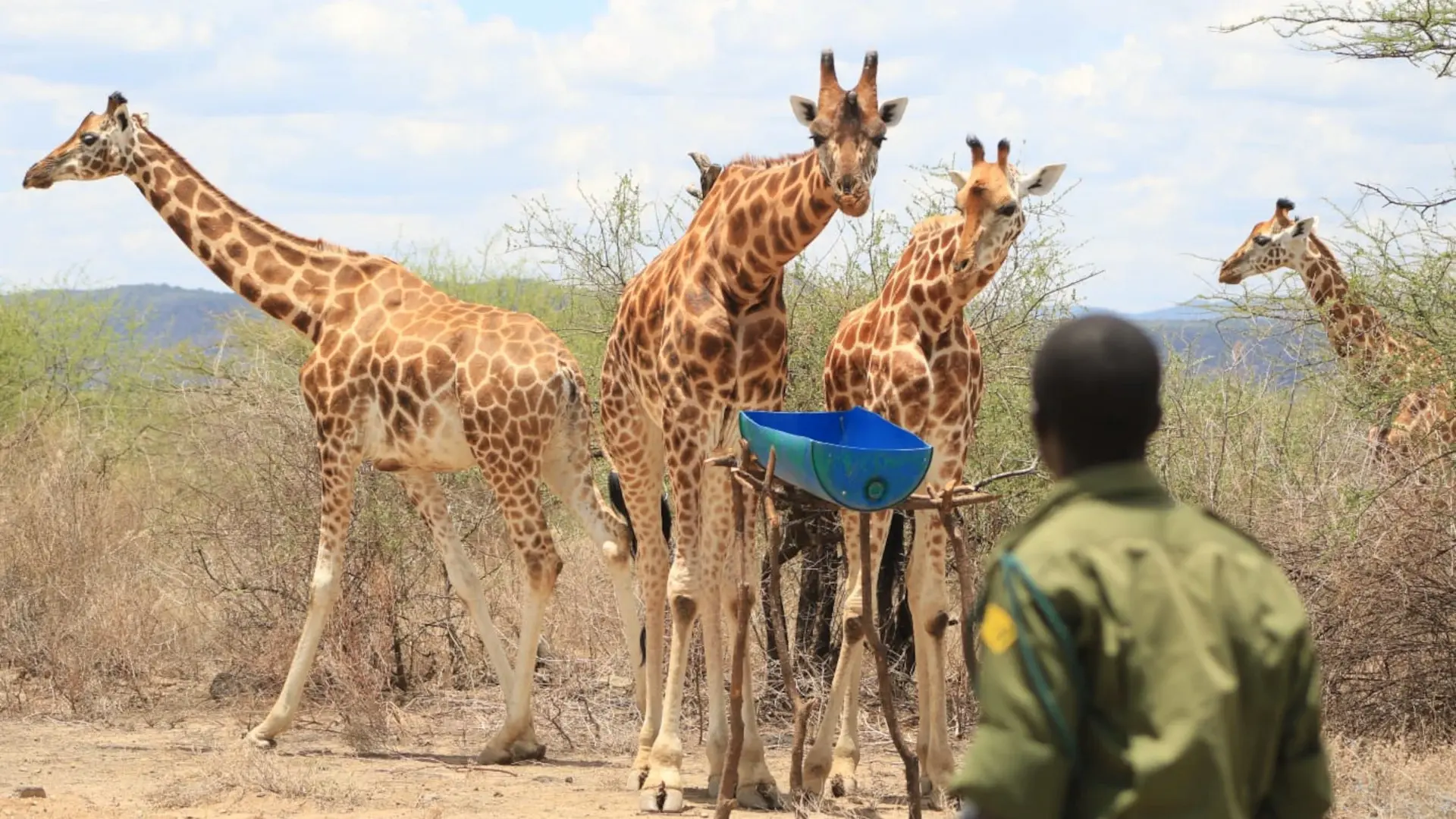
Historically, Baringo was home to the Rothschild’s giraffe (also known as the Nubian giraffe), a rare subspecies distinguished by its pale lower legs and now listed as endangered. Although giraffes had disappeared from the area decades earlier due to conflict and habitat loss, both communities continued to revere them as symbols of foresight, unity, and peace.
By restoring giraffes to their ancestral range, community leaders believed they could rebuild trust while working toward a shared future.
Establishing the Ruko Community Conservancy
In 2008, members of both communities came together to establish the Ruko Community Wildlife Conservancy, a 44,000-acre protected area jointly managed by Pokot and Il-Chamus representatives. Each community contributed land and shared responsibility for conservation decisions.
In 2011, the conservancy partnered with Kenya Wildlife Service and conservation organizations to reintroduce eight Rothschild’s giraffes to the region—the first time giraffes had returned to this landscape in nearly 70 years. Their arrival was celebrated collectively, marking a rare moment of unity after years of conflict.
Tourism soon followed, providing new income streams that supported healthcare, education, and conservation operations—further reinforcing the benefits of collaboration.
Challenges and a Critical Turning Point
The effort was not without setbacks. Calf mortality, disease pressures, and limited forage threatened the young population. Then, in 2020, extreme flooding caused Lake Baringo to rise dramatically, cutting off the peninsula where the giraffes lived and stranding them on a shrinking island.
Faced with an urgent crisis, the community—working alongside Kenya Wildlife Service, Northern Rangelands Trust, and Save Giraffes Now—designed an innovative solution: a custom-built barge capable of safely transporting giraffes across open water.
Using food-based training methods, rangers encouraged giraffes to enter the barge voluntarily. Between December 2020 and April 2021, all remaining giraffes were successfully relocated to a newly established 4,400-acre mainland sanctuary.
A Growing Herd and Lasting Impact
Since the rescue, the giraffe population in Ruko has steadily grown through successful births and carefully planned translocations. Additional giraffes introduced in 2024 and early 2025 have strengthened genetic diversity, improving long-term resilience and population health.
Equally important, the conservation effort has helped sustain peaceful coexistence between neighboring communities. Joint management of the conservancy, shared celebrations, and economic opportunities tied to wildlife tourism have replaced fear with cooperation.
Even as climate change continues to bring floods, droughts, and disease to the region, giraffe conservation remains a stabilizing force—offering hope for both people and wildlife.
When Communities See Giraffes, They See Peace
Today, giraffes once again roam the Baringo landscape, serving as living symbols of reconciliation. For the communities who protect them, the animals represent vision, unity, and the possibility of a shared future.
As one conservancy leader reflected, when people see giraffes, they no longer see division—they see peace.
This article is based on original reporting by The Revelator and coverage published by Salon. To read the original report, visit https://therevelator.org/giraffes-for-peace/ and http://salon.com/2025/04/09/giraffes-for-peace-kenyas-baringo-giraffes-is-bringing-warring-communities-together_partner/