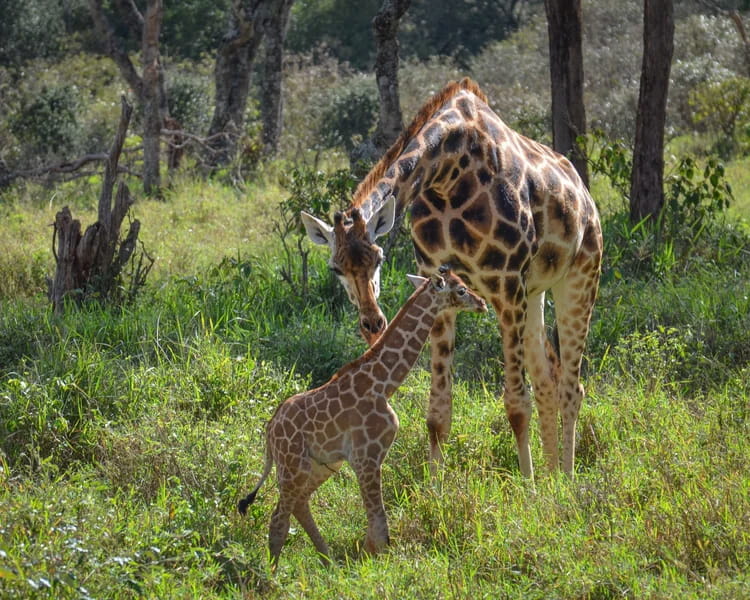
Giraffes are among the most recognizable animals in the world, yet their survival is increasingly at risk. Habitat loss, poaching, infrastructure expansion, and genetic isolation have caused giraffe populations to quietly decline across Africa—often without the public awareness given to other endangered species.
Based in Dallas, Texas, Save Giraffes Now is working to change that. Through targeted, on-the-ground conservation programs, the organization focuses on protecting giraffes while supporting the communities that live alongside them.
This article is based on original reporting by Preston Hollow Advocate.
Originally published 8/27/2024
From Business to Conservation Leadership
Save Giraffes Now was founded by Susan Myers, whose career path spans business, athletics, education, and wildlife advocacy. After earning degrees from Wellesley College and Harvard Business School, Myers spent years working in global finance before later becoming one of the few female high school football coaches in Texas, leading her team to a state championship.
Her transition into wildlife conservation came through hands-on involvement with giraffes while serving on the board of the Dallas Zoological Society. That exposure revealed both the species’ vulnerability and how often giraffes are overlooked in global conservation priorities.
Despite their size and visibility, giraffes have experienced dramatic population declines. Today, an estimated 117,000 remain in the wild, many living in fragmented habitats that limit genetic diversity and long-term survival.
The Conservation Gaps Facing Giraffes
Unlike elephants, rhinos, and lions, giraffes have historically received less attention and fewer resources. Many populations live in isolated pockets, making them vulnerable to inbreeding and disease. Poaching for illegal bushmeat remains a serious threat, with organized networks using giraffe meat to generate income—sometimes tied to broader criminal activity.
At the same time, rapid development across Africa has introduced new dangers. Low-hanging power lines, expanding highways, invasive plant species, and shrinking access to water have all contributed to increased giraffe mortality.
SGN’s Three-Pillar Conservation Strategy
Save Giraffes Now addresses these challenges through a focused, three-pillar approach:
Anti-Poaching
SGN supports ranger teams and community scouts tasked with removing snares, monitoring wildlife corridors, and preventing illegal hunting. These efforts include funding equipment, patrol boats, trained detection dogs, and camel-based patrol units to access remote areas.
Coexistence
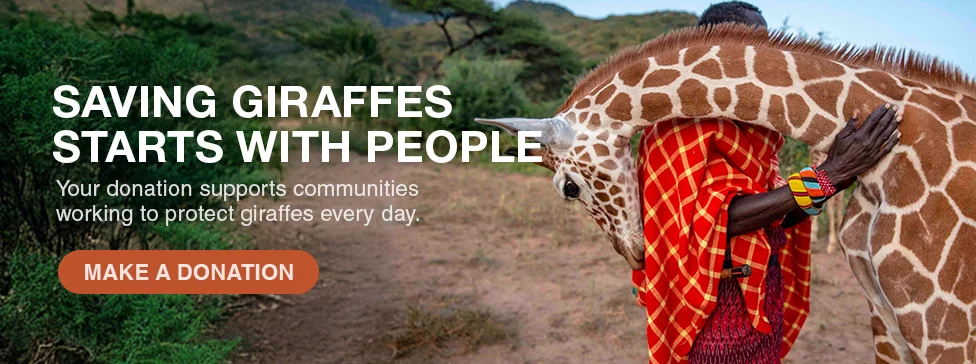
Many giraffe deaths occur not through poaching, but through human infrastructure. SGN works with local partners to raise power lines, remove invasive vegetation, and improve safety along major roadways where giraffes frequently cross. Wherever possible, conservation work prioritizes employing local residents, ensuring that communities benefit directly from protection efforts.
Rescue and Rewilding
In cases where giraffes face immediate danger or genetic isolation, SGN supports translocation and rewilding projects. These initiatives help rebalance sex ratios, expand gene pools, and restore giraffes to landscapes where they once thrived.
A Landmark Rewilding Effort in Kenya
One of SGN’s most impactful projects involved the reintroduction of Rothschild’s giraffes—among the most endangered giraffe subspecies—to Kenya’s Eastern Rift Valley. After decades of absence, giraffes were successfully relocated to the Ruko Community Conservancy in early 2021 following months of planning, training, and coordination with local and national partners.
The operation gained international attention and was later documented in Saving Giraffes: The Long Journey Home, filmed by National Geographic. Beyond conservation success, the project demonstrated how wildlife protection can also foster cooperation, stability, and shared purpose within local communities.
A Mission Built on Partnership
Today, Save Giraffes Now operates with a small, dedicated team in both the United States and Africa, working closely with local leaders, wildlife authorities, and conservation organizations. The organization’s work emphasizes long-term sustainability—protecting giraffes while strengthening the ecosystems and human communities that support them.
For SGN, giraffe conservation is about more than saving a species. It’s about restoring balance, creating opportunity, and ensuring that one of Africa’s most iconic animals is not forgotten.
Support the Mission
Those interested in supporting Save Giraffes Now can contribute through donations, educational outreach, or by helping raise awareness of giraffe conservation challenges worldwide.
This article is based on original reporting by Preston Hollow Advocate.
To read the original article, visit: https://prestonhollow.advocatemag.com/2024/08/27/save-giraffes-now/