New Research Reveals How Drought Forces
Giraffe onto Dangerous Roads
Athi-Kapiti Plains, Kenya
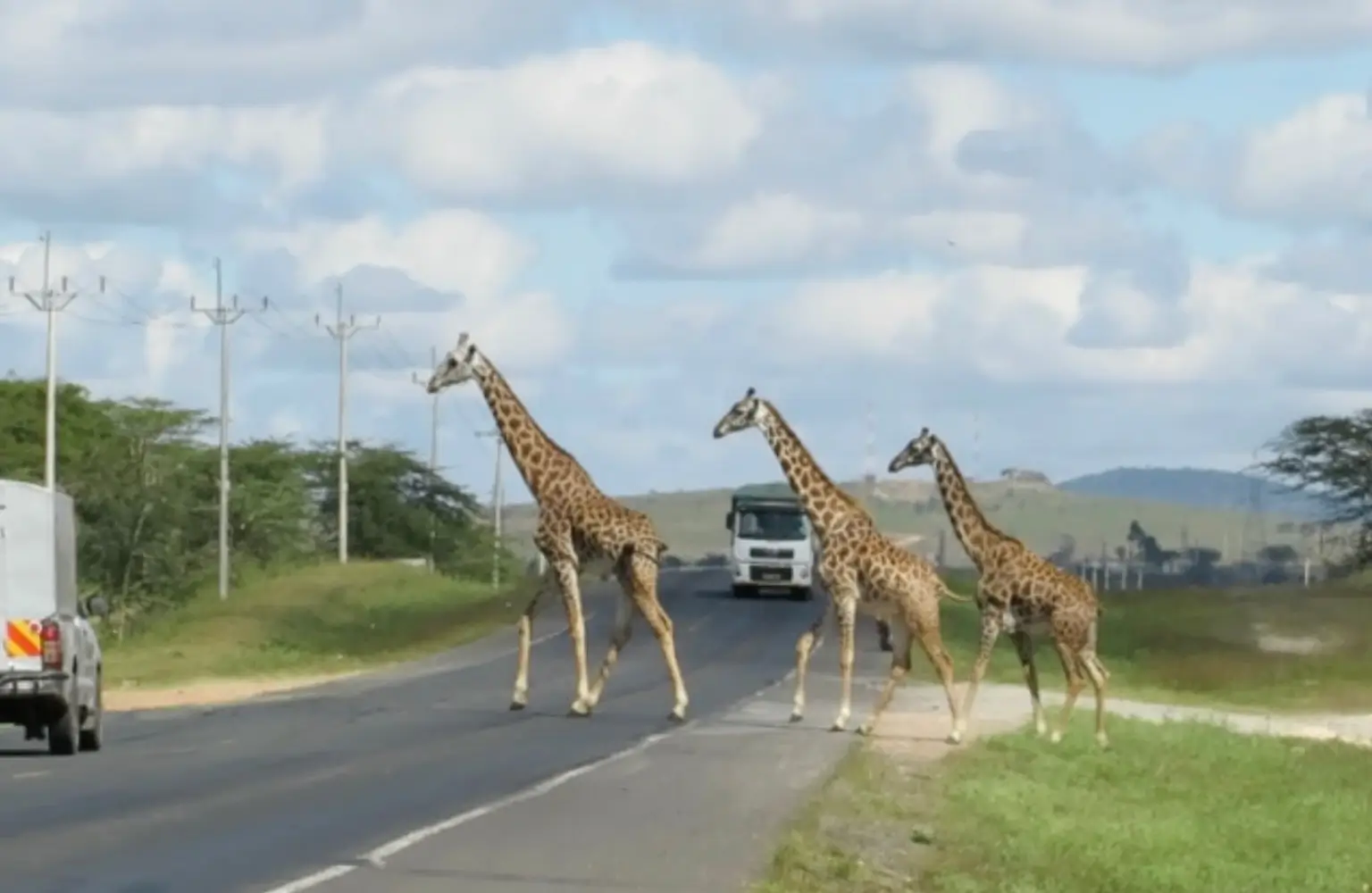
A study led by Aggrey Chemwa, Director of East Africa Operations for Save Giraffes Now, has shed light on a growing threat to Kenya’s iconic giraffe: vehicle collisions along the busy Nairobi–Mombasa Highway.
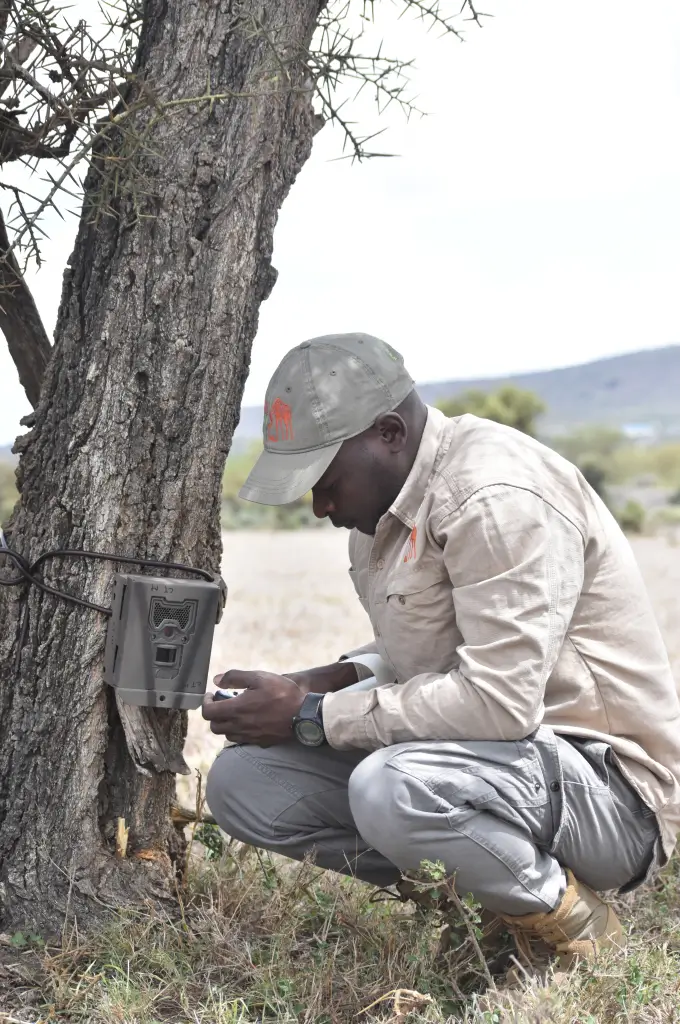
The research focused on the Athi–Kapiti Plains, a biodiverse corridor critical for Masai giraffe. Researchers found that roadkill isn’t random. It increases dramatically during prolonged droughts, when giraffe must travel farther to find food and water. As vegetation dries up and resources become scarce, giraffe are forced to leave the safety of protected areas and cross busy roads, putting them at extreme risk.
By combining systematic road surveys with satellite data on vegetation and climate, the study revealed that areas near water sources and remaining patches of greenery act as “ecological traps,” unintentionally drawing giraffe and other wildlife into high-traffic zones. Giraffe are especially vulnerable because of their tall stature, slow movement, and tendency to feed on roadside trees when preferred browse is scarce.
Our findings are already guiding conservation action. Mapping high-risk crossing points allows for targeted interventions, such as seasonal speed limits, wildlife underpasses, and strategic water point management, helping to reduce collisions while supporting the natural movement patterns of these animals. This research demonstrates how science can inform practical conservation strategies, ensuring that Kenya’s giraffe and all wildlife continue to thrive even as climate change and human development reshape the landscape.
A huge thank you to the late Steve Tankard, Honorary Warden of Kenya Wildlife Service, for his unwavering support of this work and commitment to protecting wildlife.
Partners