
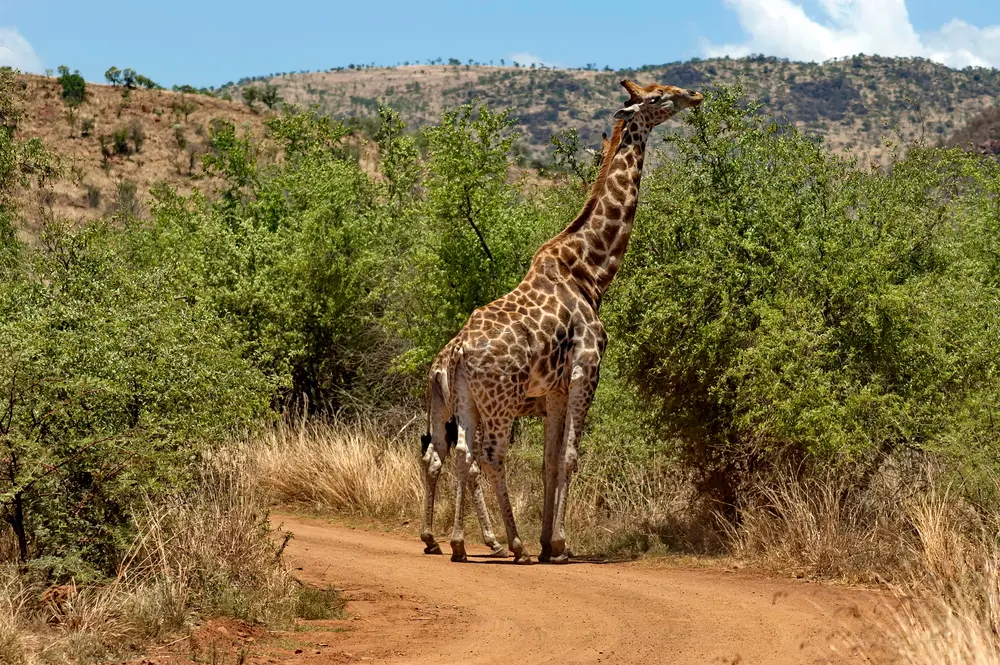
Giraffes are transported using specialized trucks, custom-built trailers, and, in some cases, aircraft or ships for long-distance or international relocation. Because of their height, long limbs, high center of gravity, and sensitivity to stress, giraffe transport requires careful planning, experienced teams, appropriate equipment, and veterinary oversight.
Moving a giraffe has many logistical challenges. Standard livestock transport methods are generally not suitable for adult giraffes, and each move must account for the animal’s size, balance, behavior, health status, weather, and travel time. Whether giraffes are being moved for conservation, veterinary care, or managed population planning, the goal is always to reduce stress and minimize the risk of injury.
Key Takeaways
- Giraffes are transported using specialized trucks, trailers, and sometimes aircraft or ships.
- Their height, balance, and sensitivity to stress make transport complex.
- Adult giraffes are typically transported standing and awake so they can maintain balance.
- Custom equipment, careful route planning, padding, partitions, and monitoring help reduce the risk of injury.
- Transport is planned and supervised by trained animal care teams and veterinarians.
- Giraffes may be moved for conservation, breeding, veterinary care, habitat management, or population management.
- Conservation efforts, including the work of Save Giraffes Now, help prevent giraffes from further population decline.

How Are Giraffes Transported Safely?
For most relocations, ground transport is the primary option. Giraffes may be moved in specialized trailers or trucks designed to accommodate their height while allowing them to remain standing. These vehicles are built or modified to reduce instability, limit excessive movement, and allow proper ventilation and monitoring.
Safety depends heavily on preparation. Teams plan routes in advance, consider road conditions, avoid sharp turns or rough terrain when possible, and monitor the giraffe throughout the journey. Weather, travel time, loading conditions, and unloading facilities, as well as the presence of low bridges and low-hanging electrical lines, are also important factors.
Handling is also managed carefully and calmly. Giraffes are usually guided into transport vehicles using trained personnel, barriers, chutes, and quiet handling techniques. In some cases, chemical immobilization or mild sedation may be used during capture or handling, but giraffes are generally transported awake so they can stand, balance, breathe normally, feed (if interested), and respond to movement during travel.
What Equipment Is Used to Transport Giraffes?
Transporting giraffes requires equipment designed for their size, posture, and movement.
Custom trailers
Specialized trailers are designed with additional height, reinforced structure, ventilation, and interior features that allow the giraffe to stand while limiting excessive movement. The goal is to provide enough room for balance while reducing the risk of slipping, falling, or striking the walls. When appropriate and logistically feasible, giraffes may be transported in small groups or with a companion in an adjacent stall, as many individuals remain calmer when another giraffe is nearby.
Open-top or adjustable-height vehicles
In some field situations, giraffes may be moved in open-top or adjustable-height trucks that accommodate their height and neck position. These vehicles are most often used in specific relocation settings where route, weather, and safety conditions allow. When appropriate, younger or smaller giraffes may be selected for transport because their size and height can make the logistics of loading, routing, and vehicle design more manageable than for fully grown adults.
Partitions and padding
Inside partitions, padded surfaces, and non-slip flooring can help stabilize the giraffe and reduce the risk of injury if the animal shifts its weight during travel. Good traction is important because slipping or scrambling during transport can increase the risk of falls, injuries, or stress.
Loading ramps and guiding barriers
Loading and unloading are among the most important parts of the transport process. Ramps, chutes, gates, and ropes can help move the giraffe in a controlled manner while minimizing stress and avoiding sudden or forced movements. Ramp and chute surfaces should also provide good traction, since slipping during loading or unloading can be especially dangerous.
Monitoring equipment
Veterinary and animal care teams monitor giraffes for signs of stress, instability, overheating, injury, or other abnormal behavior during the move. The type and intensity of monitoring depends on the individual animal, its level of acclimation to people, the mode and duration of travel, and the available equipment.
Are Giraffes Sedated During Transport?
Giraffes are generally transported awake and standing. This allows them to maintain balance, protect their airway, maintain normal breathing and circulation, feed during transport, and respond to movement inside the transport vehicle.
Chemical immobilization or sedation may be used in some cases during capture, veterinary procedures, or loading. When drugs are used, the plan is carefully managed by experienced veterinarians and animal care teams. For many transports, drugs are reversed or allowed to wear off before travel begins, so the giraffe is alert and able to stand securely.
Transporting a heavily sedated giraffe can be dangerous. A giraffe that cannot balance properly may fall, which can result in serious injury. Prolonged recumbency or impaired circulation can also create significant medical risk. For this reason, giraffe transport plans prioritize calm handling, appropriate equipment, and keeping the animal stable and alert whenever possible.
How Are Giraffes Transported on Planes?
Air transport may be used when giraffes need to be moved over long distances, especially between countries or continents. This requires extensive planning, permits, specialized crates, experienced handlers, and veterinary oversight. Because aircraft cargo dimensions and crate height can be limiting, air transport is generally most feasible for younger or smaller giraffes rather than fully grown adults.
For air travel, a giraffe is placed in a specially designed crate or container that supports safe positioning, ventilation, monitoring, and loading into a cargo aircraft. The crate must be designed around the animal’s size, age, height, and travel requirements, while also meeting airline and regulatory standards. In practice, the animal’s height is one of the most important considerations when determining whether air transport is possible.
Before the flight, the giraffe is assessed and prepared by the animal care and veterinary teams. During the journey, teams work to manage temperature, ventilation, noise, movement, and stress as much as possible. The giraffe is monitored regularly, and the transport plan includes procedures for loading, unloading, and responding to concerns if they arise.
Why Are Giraffes Transported?
Giraffes are transported for specific reasons, most of which are connected to conservation, animal welfare, or population management.
One important reason is relocation to safer habitats. In areas where giraffes face threats such as habitat loss or are impacted by human activities such as poaching, moving individuals or groups to protected areas can help improve survival and support population recovery.
Transport may also support breeding and genetic management. Moving giraffes between facilities or protected areas can help maintain healthy, sustainable populations and reduce the risks associated with small or isolated groups.
In zoological settings, giraffes may be moved between accredited facilities for managed breeding, social grouping, veterinary care, or long-term population planning. These moves are carefully planned and coordinated to support both individual welfare and broader conservation goals.
Move Them to Safety, Protect Their Future
Transporting giraffes is more than a logistical challenge. In the right circumstances, it can be a powerful conservation tool.
Across parts of Africa, giraffes are experiencing a serious and often underrecognized decline. Habitat loss, human expansion, poaching, and other pressures continue to affect wild populations. In some situations, relocation is one of the few practical ways to move giraffes away from high-risk areas and into safer, better-protected habitats. In other cases, conservation teams have reintroduced giraffes to parts of their historic range where they had been absent for decades.
Organizations like Save Giraffes Now support work aimed at protecting giraffes and their ecosystems. These efforts include habitat protection, anti-poaching support, community-based conservation, veterinary collaboration, and targeted rescue or relocation programs when appropriate.
Donate now to support giraffe conservation and help prevent further population decline.
Frequently Asked Questions
How do people transport a giraffe?
Giraffes are transported using custom-built trucks, trailers, or aircraft designed to accommodate their height and keep them standing. Experienced teams use careful handling, appropriate equipment, route planning, and veterinary monitoring to reduce stress and injury risk.
Are giraffes sedated when they are transported?
Giraffes are generally transported awake and standing so they can maintain balance and normal body function. Sedation or immobilization may be used in some situations during capture or handling, but heavy sedation during transport can be dangerous.
Why are giraffes so difficult to transport?
Giraffes are difficult to transport because they are tall, heavy, long-legged animals with a high center of gravity and a very long neck. They can be sensitive to stress, and falls or prolonged recumbency can cause serious medical complications. Their transport requires specialized planning and equipment.
What animal has the highest blood pressure?
Giraffes have some of the highest blood pressures among land mammals. Their cardiovascular system is adapted to pump blood from the heart up the long neck to the brain.
Do giraffes sleep only a short time each day?
Giraffes sleep much less than many other mammals and often rest in short intervals. The exact amount varies by age, environment, safety, and management conditions, but adult giraffes generally sleep for relatively short periods compared with many other species.
Reviewed by Dr. Liza Dadone— Director of Veterinary Medicine at Save Giraffes Now, zoo veterinarian, and veterinary advisor for giraffes with the Association of Zoos & Aquariums (AZA). Dr. Dadone reviewed this article to help ensure its veterinary accuracy.